Hypertension, or high blood pressure, affects nearly half of all adults but often goes undetected until serious complications arise. Understanding and controlling your blood pressure is crucial for long-term health.
Why "Silent Killer"?
Hypertension rarely causes symptoms until it has already damaged vital organs. Many people with high blood pressure feel perfectly fine, which is why regular monitoring is essential.
Understanding Blood Pressure Numbers
Blood pressure is measured in millimeters of mercury (mmHg) and recorded as two numbers:
- Systolic pressure (top number): Pressure when your heart beats
- Diastolic pressure (bottom number): Pressure when your heart rests between beats
Blood Pressure Categories
- Normal: Less than 120/80 mmHg
- Elevated: 120-129/less than 80 mmHg
- Stage 1 Hypertension: 130-139/80-89 mmHg
- Stage 2 Hypertension: 140/90 mmHg or higher
Natural Control Strategies
1. DASH Diet
The Dietary Approaches to Stop Hypertension (DASH) diet emphasizes fruits, vegetables, whole grains, and low-fat dairy while limiting sodium, red meat, and added sugars.
2. Reduce Sodium Intake
Aim for less than 2,300 mg of sodium per day, ideally closer to 1,500 mg. Read food labels and choose fresh, unprocessed foods.
3. Regular Exercise
Physical activity strengthens your heart and can lower blood pressure by 5-8 mmHg. Aim for 30 minutes of moderate activity most days.
4. Stress Management
Chronic stress contributes to high blood pressure. Practice relaxation techniques like meditation, deep breathing, or yoga.
5. Limit Alcohol and Quit Smoking
Both alcohol and tobacco can raise blood pressure and damage blood vessels.
When Medication is Necessary
Sometimes lifestyle changes aren't enough. Various medications can effectively control blood pressure, including ACE inhibitors, beta-blockers, and diuretics. Work with your doctor to find the right treatment.
Home Monitoring
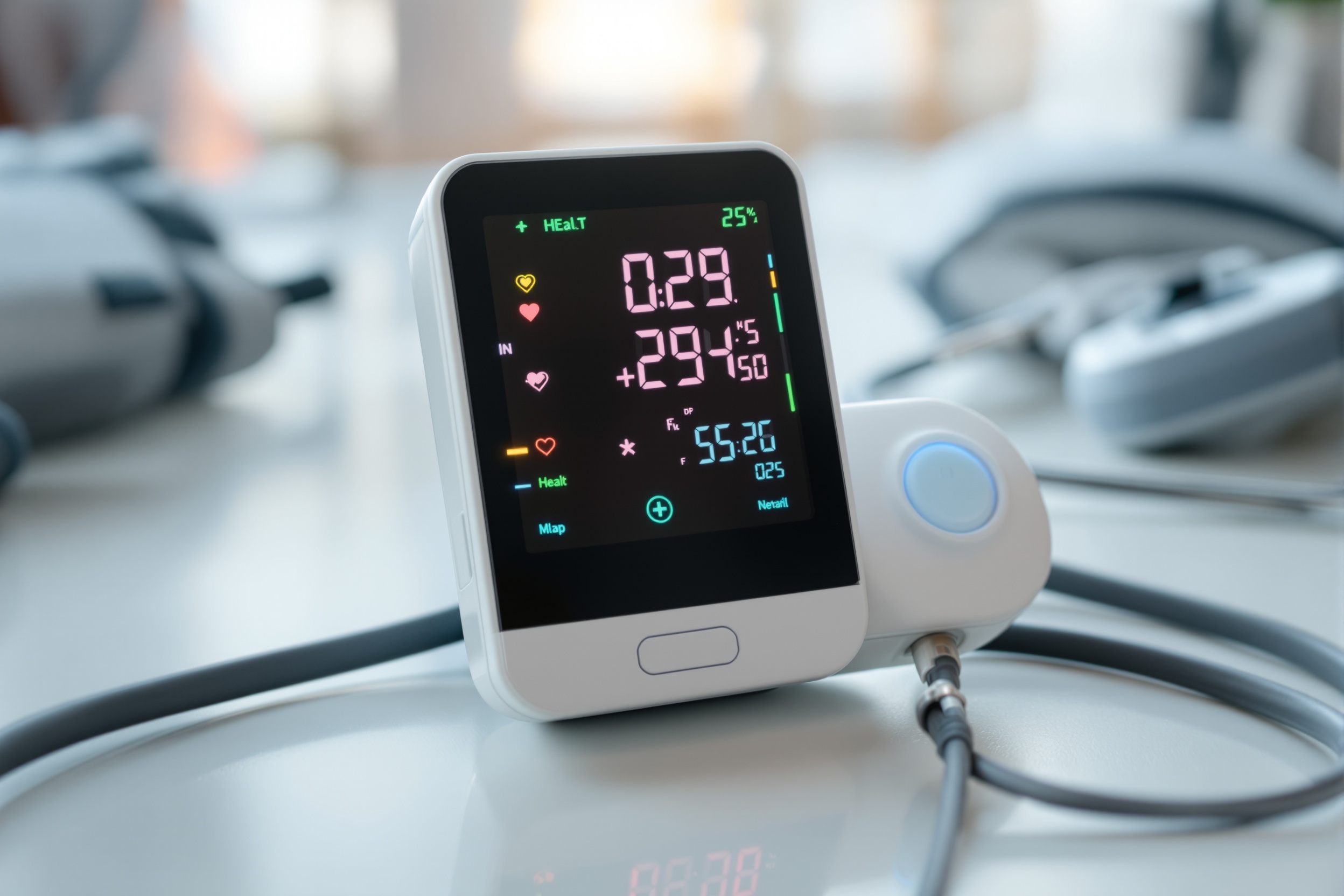
Regular home blood pressure monitoring helps you track your progress and provides valuable data for your healthcare provider. Take readings at the same time each day for consistency.
Conclusion
Controlling hypertension is one of the most important things you can do for your long-term health. With proper monitoring, lifestyle modifications, and medical care when needed, you can keep your blood pressure in a healthy range and reduce your risk of heart disease and stroke.