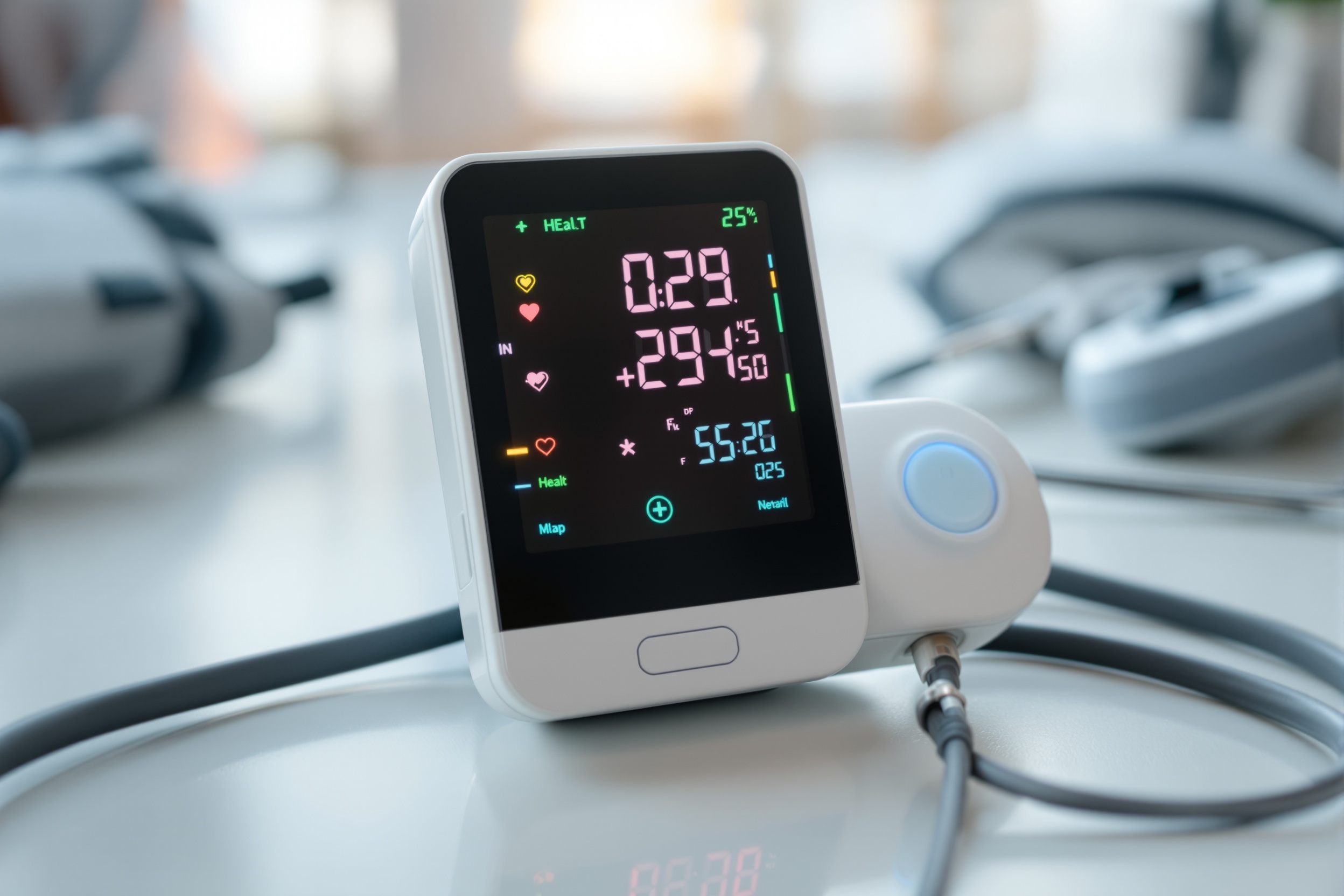
Blood pressure monitoring is one of the simplest yet most powerful tools in preventive healthcare. Understanding why regular monitoring matters could be the difference between catching a problem early and facing serious health consequences.
The Silent Nature of Hypertension
High blood pressure is often called the "silent killer" because it typically has no symptoms until it causes significant damage. You could have dangerously high blood pressure for years without knowing it, all while it damages your heart, blood vessels, kidneys, and brain.
What Your Numbers Tell You
Blood pressure readings consist of two numbers:
- Systolic (top number): The pressure when your heart beats and pumps blood
- Diastolic (bottom number): The pressure when your heart rests between beats
Understanding the Categories
- Normal: Less than 120/80 mmHg - Your cardiovascular system is healthy
- Elevated: 120-129/less than 80 mmHg - Time to make lifestyle changes
- Stage 1 Hypertension: 130-139/80-89 mmHg - Lifestyle changes and possibly medication
- Stage 2 Hypertension: 140/90 mmHg or higher - Requires medication and lifestyle changes
- Hypertensive Crisis: Higher than 180/120 mmHg - Seek immediate medical attention
Why Regular Monitoring is Essential
1. Early Detection Saves Lives
Catching high blood pressure early allows for intervention before it causes irreversible damage. Studies show that for every 10 mmHg reduction in systolic blood pressure, the risk of major cardiovascular events decreases by 20%.
2. Track Treatment Effectiveness
If you are on blood pressure medication, regular monitoring helps you and your doctor determine if your treatment is working or needs adjustment.
3. Identify Patterns and Triggers
Home monitoring reveals patterns that office visits might miss. You might discover that stress, certain foods, or lack of sleep affect your readings.
4. Avoid White Coat Hypertension
Some people experience elevated readings only in medical settings due to anxiety. Home monitoring provides a more accurate picture of your typical blood pressure.
5. Detect Masked Hypertension
Conversely, some people have normal readings at the doctor but high blood pressure at other times. Regular home monitoring catches this dangerous condition.
How to Monitor Correctly
Best Practices for Accurate Readings
- Sit quietly for 5 minutes before measuring
- Use a validated, automatic upper-arm monitor
- Keep your arm supported at heart level
- Do not talk during the measurement
- Take readings at the same time each day
- Avoid caffeine, exercise, and smoking 30 minutes before
- Empty your bladder before measuring
When to Measure
For most people, measuring twice daily is ideal:
- Morning: Before taking medications, after sitting quietly
- Evening: Before dinner or at least 2 hours after eating
The Consequences of Uncontrolled Blood Pressure
Ignoring high blood pressure can lead to:
- Heart Attack: High pressure damages arteries and promotes plaque buildup
- Stroke: Weakened blood vessels in the brain can burst or become blocked
- Heart Failure: The heart works harder and eventually weakens
- Kidney Disease: Damaged blood vessels impair kidney function
- Vision Loss: Blood vessels in the eyes can be damaged
- Cognitive Decline: Reduced blood flow affects brain function
Taking Action
If your readings are consistently elevated:
- Schedule an appointment with your healthcare provider
- Bring your home monitoring log to your appointment
- Discuss lifestyle modifications and treatment options
- Follow your treatment plan consistently
- Continue monitoring to track progress
Conclusion
Blood pressure monitoring is a simple, painless, and potentially life-saving habit. Whether you are managing existing hypertension or simply being proactive about your health, regular monitoring empowers you to take control. Invest in a quality home monitor, establish a routine, and make blood pressure awareness a priority. Your heart will thank you.
